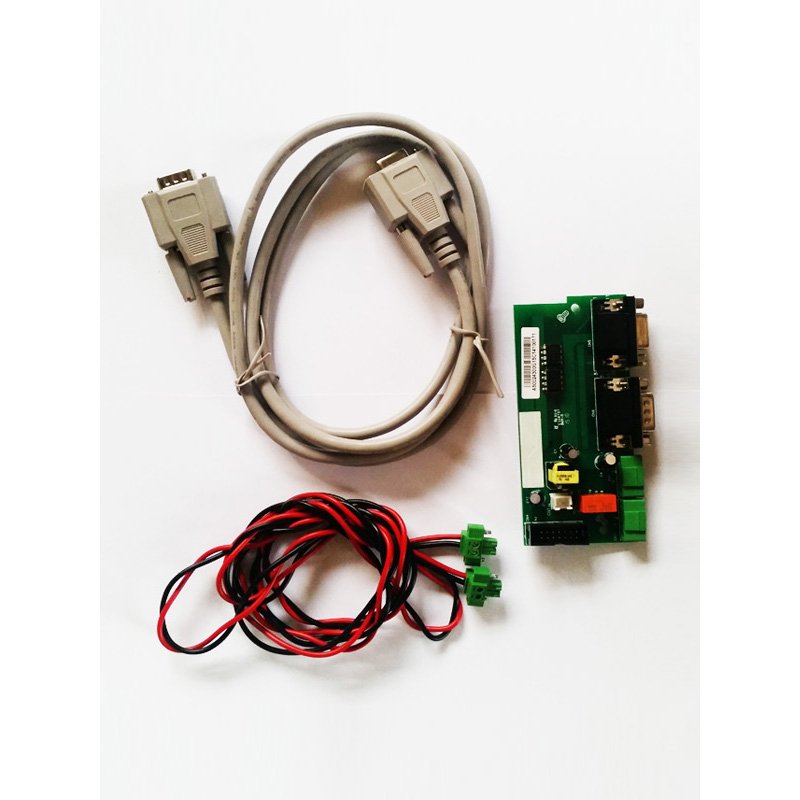
When a summer storm knocks out the grid, or you're deep in the wilderness needing to power an RV, the last thing you want is to be short on juice. Whether it's keeping the fridge cold, the lights on, or your power tools humming, maximizing your generator's potential often means looking beyond the base unit itself. This is where the right Accessories, Upgrades & Parallel Kits become absolute game-changers, transforming a capable generator into a truly versatile powerhouse. They’re not just add-ons; they're essential tools for unlocking more power output, extending run times, and making your entire experience safer and more convenient.
At a Glance: Powering Up Your Generator
- Parallel Kits let you link two compatible generators to double your wattage for heavier loads without needing a single, massive unit.
- Accessories enhance usability and protection, from weather covers to wheel kits for easy transport.
- Upgrades improve functionality and safety, like remote start systems or automatic transfer switches for seamless home backup.
- Compatibility is Key: Always check your generator's manual and the accessory specifications before purchasing.
- Safety First: Proper ventilation, stable ground, and following manufacturer guidelines are non-negotiable for any setup.
Why Your Generator Needs a Boost: The Core Problem
Think about it: you’ve invested in a reliable generator, but maybe you’re finding its single output just isn't quite enough for a larger project, a full home backup during an extended outage, or powering multiple appliances simultaneously at a remote campsite. Or perhaps you’re tired of manually moving a heavy unit, or want to protect it from the elements.
This is a common challenge for homesteaders, campers, contractors, and anyone who values reliable backup power. The good news is that you don't necessarily need to buy a bigger, heavier, and more expensive generator. Instead, a strategic combination of accessories, smart upgrades, and especially parallel kits can give you the flexibility and power you need, often at a fraction of the cost and hassle.
Parallel Power: Doubling Down on Output
If you’ve ever wondered how to get more wattage without the bulk of a single, huge generator, parallel kits are your answer. These clever devices allow you to combine the power of two compatible portable generators, effectively doubling their combined output. This means you can run more appliances, power larger tools, or simply have a more robust backup system for your home or RV.
What Exactly Are Parallel Kits?
A parallel kit is a piece of equipment designed to safely connect two generators, typically inverter generators, so they can work in tandem. Imagine two strong individuals lifting a heavy object together; that's essentially what parallel kits enable your generators to do. They merge the AC output of both units into a single, higher-wattage output, which is then accessible through the kit's outlets. This is especially useful for tasks that demand a lot of starting power or continuous high wattage, like powering an RV air conditioner, a well pump, or a construction site's heavy machinery.
The beauty of parallel kits, as noted by Tractor Supply Co., is their versatility. They’re a seamless and efficient solution whether you’re powering up an RV, running multiple appliances during a blackout, or tackling a demanding construction project. Instead of hauling a single, heavy generator, you can use two smaller, more manageable units and combine their output when needed.
How Parallel Kits Work (Simply Put)
Most modern parallel kits use simple plug-and-play connectors. You connect a specialized cable from each generator to the parallel kit. The kit then synchronizes the electrical current from both units, ensuring they operate together safely and efficiently, outputting power through its own dedicated outlets. This synchronization is crucial to prevent electrical issues and ensure a stable power supply.
The Benefits of Going Parallel
- Increased Wattage: The most obvious benefit. You get significantly more power for heavier loads.
- Greater Flexibility: Only need a little power? Use one generator. Need a lot? Connect them both. This allows for greater fuel efficiency when high power isn't required.
- Easier Portability: Two smaller generators are often much easier to transport and store than one very large, heavy unit.
- Redundancy: If one generator has an issue, you still have the other as a backup.
- Cost-Effective: Often more affordable than buying a single generator with the equivalent high wattage.
Choosing the Right Parallel Kit: Compatibility is Key
Not all generators can be paralleled, and not all parallel kits work with all generators. The critical factor is compatibility. Most parallel kits are designed to work only with specific generator models, usually from the same manufacturer and often the same wattage. For example, you typically can't parallel a 2000-watt generator with a 4000-watt generator, or an older conventional generator with a modern inverter generator, even if they're from the same brand.
Always check your owner’s manual for compatibility and safety tips. This cannot be stressed enough. Some brands offer universal kits for specific lines, while others require brand-specific kits. When considering your options, it's also important to factor in the wattage needs of your equipment and the type of outlets you'll need on the parallel kit itself. Some kits come with convenient features like built-in breakers and weatherproof covers, which are excellent for outdoor use in unpredictable conditions. If you're looking for a highly portable option, you might consider something like the Ryobi 2300 generator, which is known for its compact size and efficiency, and often has parallel capabilities within its product line.
Beyond Parallel Kits: Essential Accessories for Enhanced Functionality
While parallel kits boost your power output, a range of accessories can significantly improve your generator's usability, longevity, and safety. These additions transform your generator from a simple power source into a comprehensive, robust system.
Protection and Storage
- Generator Covers/Enclosures: Protect your investment from rain, dust, UV rays, and debris. A good cover extends the life of your generator, keeping internal components clean and dry. Some enclosures also offer a degree of noise reduction.
- Storage Bags/Cases: For smaller portable generators, a dedicated bag or case makes transport easier and keeps accessories organized.
Fuel Management
- Extended Run Fuel Tanks: Connect an external fuel tank to your generator to dramatically increase its run time without constant refueling. This is invaluable during long power outages or extended camping trips. Ensure the tank is designed for generator use and follow all safety guidelines.
- Fuel Stabilizers: Prevent fuel from breaking down during storage, keeping your generator ready to start when you need it most. This is crucial for generators that aren't used frequently.
- Siphon Pumps/Fuel Transfer Kits: Safely and easily transfer fuel from larger containers to your generator.
Mobility and Placement
- Wheel Kits/Mobility Kits: Many larger portable generators come with wheels, but if yours doesn't, adding a wheel kit can save your back. These often include sturdy wheels, handles, and sometimes even folding features for compact storage.
- Anti-Vibration Pads: Place these under your generator to reduce noise and prevent it from "walking" on smooth surfaces due to vibration.
- Leveling Blocks: Ensure your generator is on stable, level ground, especially important for oil circulation and safe operation.
Electrical Connections
- Heavy-Duty Extension Cords: Invest in high-gauge, outdoor-rated extension cords specifically designed for generator use. Avoid using standard household cords, as they can overheat and pose a fire hazard. Look for cords with multiple outlets and varying lengths.
- Adapter Plugs: You might need adapters to connect your generator's specialized outlets (e.g., L14-30R twist-lock) to standard household plugs or RV inlets. Always ensure adapters are rated for the wattage.
Maintenance and Monitoring
- Maintenance Kits: These usually include spark plugs, air filters, and oil, making routine servicing simple and ensuring your generator runs efficiently.
- Hour Meters: Track how many hours your generator has run, helping you stay on schedule for essential maintenance tasks like oil changes.
- Carbon Monoxide (CO) Detectors: An absolute must-have. Place battery-operated CO detectors near your generator (never in or on it if operating, but nearby if it's stored) and especially inside any enclosed spaces where exhaust fumes could potentially enter (e.g., your home, RV, or tent). Generators emit deadly CO gas.
Security
- Security Cables/Locks: Protect your investment from theft, especially when operating or storing your generator in accessible areas.
Smart Upgrades: Future-Proofing Your Power Source
Beyond basic accessories, certain upgrades can fundamentally change how you interact with and rely on your generator, particularly for home backup.
Seamless Home Integration
- Automatic Transfer Switches (ATS): For whole-home backup, an ATS is a major upgrade. It automatically detects a power outage, signals your generator to start, and safely switches your home's electrical load from the utility grid to the generator. When utility power returns, it switches back and shuts down the generator. This provides truly hands-free, uninterrupted power.
- Manual Transfer Switches (MTS): A more budget-friendly alternative to ATS, an MTS requires you to manually start your generator and flip a switch to transfer power. It's safer than using extension cords through windows, as it isolates your home from the grid, preventing dangerous backfeed.
Convenience and Control
- Remote Start/Stop Kits: Imagine starting your generator from the comfort of your home, or even from your phone, without venturing out into the cold or rain. Remote start kits offer incredible convenience, especially for emergency situations.
- Wireless Monitoring Systems: Some advanced systems allow you to monitor fuel levels, oil pressure, battery status, and even generator location remotely via an app.
Performance and Environment
- Noise Reduction Solutions: While some generators are inherently quieter (like inverter models), you can further reduce noise with specialized enclosures, mufflers, or strategically placed baffling. This is a huge benefit for neighbors and your own peace of mind during extended use.
- Cold Weather Kits: If you live in a region with harsh winters, a cold weather kit can ensure your generator starts reliably. These often include battery warmers, carburetor heaters, and specialized oil for cold temperatures.
- Natural Gas/Propane Conversion Kits: While complex and often requiring professional installation, converting a gasoline generator to run on natural gas or propane can offer advantages like longer run times (with a steady natural gas supply) and cleaner burning fuel. Caution: This is a significant modification and should only be performed by qualified technicians following strict safety protocols.
Making the Right Choice: Factors to Consider
With so many options, how do you decide what’s right for your generator setup? It boils down to your specific needs, existing equipment, and budget.
Your Power Needs (Wattage & Outlets)
- What will you power? List all appliances, tools, or circuits you plan to run. Note their starting wattage (surge) and running wattage.
- Total Wattage: Sum up the running wattage of all items, then add the highest starting wattage from any single item. This gives you your minimum generator size.
- Outlets: Ensure your parallel kit or generator has the right types and number of outlets (120V, 240V, twist-lock, RV outlets) for your needs.
Generator Compatibility
- Brand and Model Specificity: As mentioned, parallel kits are often brand and model-specific. Don't assume.
- Inverter vs. Conventional: Most parallel kits are designed for inverter generators due to their cleaner power output.
Budget
- Prioritize: Decide which accessories or upgrades offer the most immediate value for your situation. A CO detector is always a non-negotiable first purchase.
- Long-Term Value: Sometimes, a slightly more expensive, durable accessory (like a heavy-duty wheel kit or an extended run tank) saves money and hassle in the long run.
Ease of Use and Installation
- DIY vs. Professional: Some accessories are simple plug-and-play, while others, like transfer switches or fuel conversions, require professional installation.
- Maintenance: Consider how easily the accessory integrates into your maintenance routine.
Safety Features
- Built-in Breakers: Parallel kits with integrated circuit breakers offer an extra layer of protection against overloads.
- Weatherproof Construction: If you operate your generator outdoors, ensure accessories like parallel kits and covers are built to withstand the elements.
Intended Use
- Home Backup: Prioritize transfer switches, extended run tanks, and remote start.
- RV/Camping: Focus on parallel kits for AC, portability solutions, and fuel efficiency.
- Job Site: Durability, high wattage (via parallel kits), and security features are paramount.
- Off-Grid Living: Long-run fuel solutions, robust protection, and possibly alternative fuel conversions.
Safety First: Operating Your Upgraded Power System
No matter how you accessorize or upgrade your generator, safety must always be your top priority. Misusing a generator or its accessories can have severe, even fatal, consequences.
- Ventilation is Non-Negotiable: Never operate a generator indoors, in a garage, shed, or any partially enclosed space. Generators produce carbon monoxide (CO), an odorless, colorless, deadly gas. Always operate generators outdoors, at least 20 feet away from your home, with the exhaust pointed away from doors and windows.
- Stable, Level Ground: Ensure your generator (and any connected units in a parallel setup) is placed on a stable, level, dry surface. This prevents tipping, ensures proper oil circulation, and reduces fire hazards.
- Read the Manuals: Seriously, read them. Follow all manufacturer guidelines for your generator, parallel kit, and any other accessories. This includes proper connection procedures, fuel types, and maintenance schedules.
- Avoid Overloading: While parallel kits increase wattage, you can still overload the system. Monitor your power usage and ensure you don't exceed the combined running and starting wattage capacity.
- Proper Electrical Connections: Use only heavy-duty, outdoor-rated extension cords. Ensure all connections are secure and dry. Never "backfeed" power into your home by plugging the generator directly into a wall outlet; this can electrocute utility workers and damage your home's electrical system. Use a transfer switch.
- Fuel Safety: Store fuel in approved containers, away from living areas and direct sunlight. Refuel only when the generator is off and cool.
- Fire Extinguisher: Keep a Class B fire extinguisher nearby when operating a generator.
Your Next Step: Getting the Most From Your Generator Setup
Understanding generator accessories, upgrades, and parallel kits is the first step toward a more reliable, versatile, and convenient power solution. Whether you're aiming to double your wattage for an emergency, make your portable unit easier to transport, or set up a seamless home backup system, there's a solution for you.
Start by assessing your current power needs and your generator's capabilities. Then, consider which accessories or upgrades will most directly address any shortcomings or enhance your existing setup. Remember the advice from Tractor Supply Co.: "The right parallel kit can help you get the most out of your equipment, whether you’re keeping the homestead running, powering a remote jobsite, or just making sure your next camping trip is as comfortable as home." With careful planning and adherence to safety protocols, you can unlock the full potential of your generator and ensure you’re always prepared, no matter what comes your way.